Every catering hall has one: the banquet book. The binder — or the inbox, or the maître d's memory — where a wedding lives until event day. The bride called Tuesday about the pasta. Her mother emailed Thursday about the head table. Somebody wrote "no shellfish, table 9?" on a sticky note that may or may not still exist.
None of those people are bad at their jobs. The system is bad at its job. Details for a 150-guest reception arrive over six weeks, through four channels, addressed to three different staff members. Whatever survives the relay gets retyped — into the kitchen sheet, the bar list, the DJ's lineup — and every retype is a fresh chance to get it wrong.
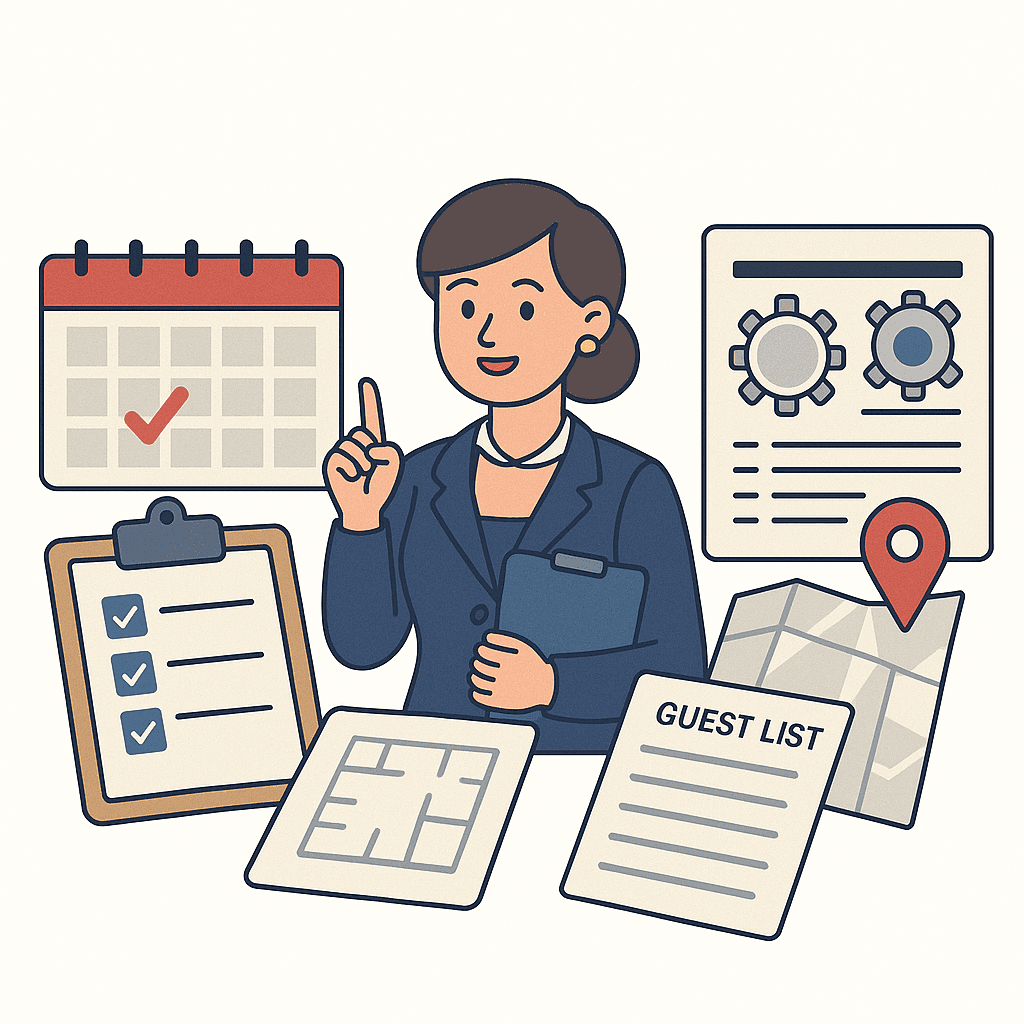
GlanceMenu's Event Planning feature retires the relay. When a customer books, the manager creates a planning portal and emails them a secure link. No account, no password — the customer opens it on their phone and walks through the whole event at their own pace: package tier, menu, three signature drinks, guest list, floor plan, bridal party, service providers, final appointment. The portal saves automatically as they go, so a couple can pick entrées on the couch Tuesday night and finish the seating chart over the weekend. Most finish in about twenty minutes.
Here's what changes for the manager: nothing to chase. The dashboard shows a live completion percentage for every event, and push notifications arrive at the moments worth knowing about — when a customer starts, when they hit the halfway mark, when they finish, and when they've gone quiet and could use a friendly call. That last one matters more than it sounds. The stalled events were always the ones that turned into event-week fire drills; now they announce themselves a month early.
When the customer submits, the system generates a final sheet PDF: every selection, every allergy, every name in the processional, in one document. The manager reviews it, confirms the details with the customer, and approves — which locks the plan so nothing shifts silently afterward. Then one tap converts the approved plan into a live event, and the same data the customer typed flows straight to event-day operations. The kitchen, the bar, and the floor are reading from one sheet, not four transcriptions of it.
The time savings are real — managers tell us the back-and-forth on a typical wedding drops from hours of calls and emails to a single confirmation conversation. But the quieter win is trust. Customers stop wondering whether the venue "got" their changes, because they entered every detail themselves and can see it saved. Managers stop event-day mornings with a knot in their stomach, because the final sheet was locked ten days ago.
The banquet book had a good run. It earned its retirement.
Ready to run your first event this way? Read our step-by-step guide, How to use Event Planning, to create your first portal in about two minutes.